

Exercise During Pregnancy: 5 Safe Exercises for Expectant Mums
Table of Contents
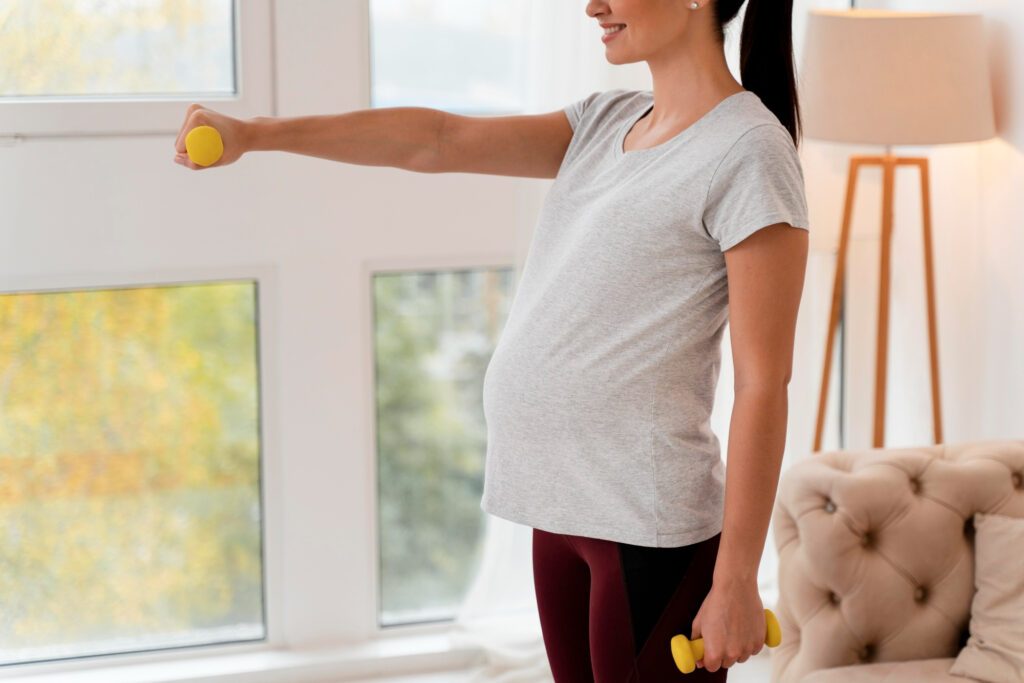
Staying active during pregnancy can feel confusing, especially when you are unsure what is safe for you and your baby. For most women with a healthy pregnancy, exercise during pregnancy is not only safe but also helpful for energy, mood, sleep and preparing your body for birth.
The right routine does not need to be intense. Gentle and regular movement can support your changing body while helping you stay comfortable as your bump grows. This guide explains the safe workouts for expectant mothers, what to avoid, and how to adjust your exercise through each trimester.
Is Resting as Much as Possible Really Best During Pregnancy?
For most pregnant women without medical complications, resting all day is not necessary or recommended.
Being active helps you maintain fitness and move around comfortably as your body changes¹,²,³. Pregnancy changes your balance, joints, breathing and energy levels, so the goal is not to exercise harder. It is to move safely and consistently.
How Much Exercise Do You Need?
For exercise during pregnancy, Singapore’s physical activity guidelines recommend that pregnant women without contraindications do at least 150 minutes of moderate-intensity aerobic activity each week³.
This could look like:
- 30 minutes of brisk walking, 5 days a week
- 20 to 30 minutes of swimming or stationary cycling, 3 to 5 days a week
- Three 10-minute walks a day, if longer sessions feel tiring
Moderate intensity means the activity feels challenging but still manageable. For example, during a brisk walk, you should be able to talk in short sentences, but singing would feel difficult. If you become breathless, dizzy, or unable to speak, slow down or stop.
What Does Exercise During Pregnancy Mean for Your Baby’s Health?
For women with a healthy pregnancy, regular exercise can support both mom and baby.
It may also help with:
- Healthy weight gain
- Lower risk of gestational diabetes
- Better fitness and mental well-being
- A possible lower risk of caesarean delivery
If you have a medical condition or pregnancy complication, check with your doctor before starting or continuing exercise.
5 Safe Workouts for Expectant Mothers
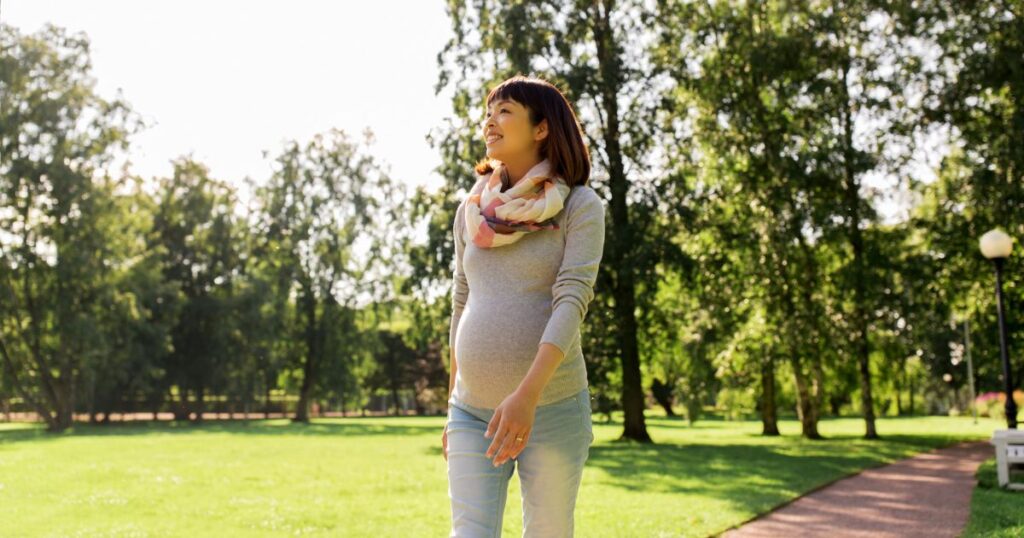
The safest pregnancy workouts are usually low-impact activities that let you control your pace and reduce your risk of falling.
Brisk Walking
Brisk walking is one of the easiest forms of exercise during pregnancy. You can do it near home, at a park connector, or indoors at a shopping mall or gym.
To make walking comfortable and safe:
- Aim for 20 to 30 minutes at a pace where you can talk but not sing¹,³
- Wear supportive shoes
- Choose shaded routes or walk during cooler hours
- Start with 10 to 15 minutes if you are new to exercise, then build up gradually²
Swimming and Aqua-Fitness
Swimming and water aerobics support your body weight, which can feel more comfortable when you have back pain, pelvic discomfort, or a growing bump².
Try gentle laps, water walking, or a pregnancy-safe aqua-fitness class. Avoid diving, jumping into the pool, or slippery poolside areas.
Stationary Cycling
A stationary bike is safer than outdoor cycling because there is less risk of falling. It also lets you adjust the speed and resistance as your balance changes².
To use a stationary bike safely:
- Choose an upright or recumbent stationary bike
- Keep the resistance easy to moderate
- Sit upright rather than leaning far forward, especially later in pregnancy
- Increase your time gradually, and only if you feel comfortable
Modified Yoga and Pilates
Prenatal yoga and modified Pilates can help with flexibility, posture, breathing and muscle control. Choose a class designed for pregnancy or follow a qualified prenatal instructor²,³.
Helpful exercises include gentle stretching, pelvic floor exercises and posture work. After the fourth month, avoid lying flat on your back for long periods during exercise. Avoid hot yoga and hot Pilates, as exercising in excessive heat is not advised during pregnancy.
Resistance Band and Light Weight Training
Light strength training can help maintain muscle strength and support your posture as your bump grows²,³.
Safe options include:
- Resistance band rows
- Light dumbbell biceps curls
- Supported squats or sit-to-stands from a chair
- Wall push-ups
- Gentle side-lying leg lifts
Light resistance is usually enough. A steady breathing is important during exercise, so holding your breath or straining is best avoided.
Exercises to Avoid During Pregnancy
Knowing the exercises to avoid during pregnancy is just as important as knowing what to do. These activities raise the risk of injury, overheating or reduced blood flow²,³.
It is best to avoid the following throughout pregnancy:
- Contact sports, such as basketball, football, netball and martial arts
- Activities with a high risk of falling, such as gymnastics, skiing, horse riding and outdoor cycling
- Scuba diving and skydiving
- Hot yoga and hot Pilates
- Exercises lying flat on your back after the fourth month
- Heavy lifting with breath-holding or straining
- Repeated full sit-ups or excessive abdominal exercises
The key is to stay active safely. If you are unsure whether an activity is suitable for you, consult your doctor for personalised advice.
How to Adapt Exercise Through Each Trimester
As your pregnancy progresses, you may need to change the type of exercise, reduce the intensity, or adjust your position to stay comfortable and safe.
First Trimester: Building a Routine
Many women look for guidance on exercise during pregnancy in the first trimester, especially when nausea and tiredness make it harder to get moving. If you already exercise, you can usually continue with activities you are used to and adjusting the intensity as needed³. If you are new to exercise, start slowly with walking, stretching, or light strength work.
Starting slowly can help your body adjust to a new routine. Begin with 10 to 15 minutes, 3 times a week, then increase gradually².
Second Trimester: Adjusting for a Growing Bump
As your womb grows, your belly shifts your centre of gravity forward. This can affect your balance and make quick movements, twisting, or uneven surfaces feel less stable².
Choose stable, low-impact activities and avoid fast direction changes or bouncing. Practical changes include replacing outdoor cycling with stationary cycling, using wider stances for squats, and avoiding exercises on your back.
Third Trimester: Focusing on Comfort and Mobility
In the third trimester, your bump may affect your balance, breathing and sleep. Focus on comfortable movement rather than pushing harder².
Walking, swimming and stationary cycling may still be suitable. You may use support such as wall or sturdy chair for balance, avoid movements that cause pelvic or back pain and break exercise into shorter sessions if needed.
Exercising Safely in Singapore’s Hot and Humid Weather
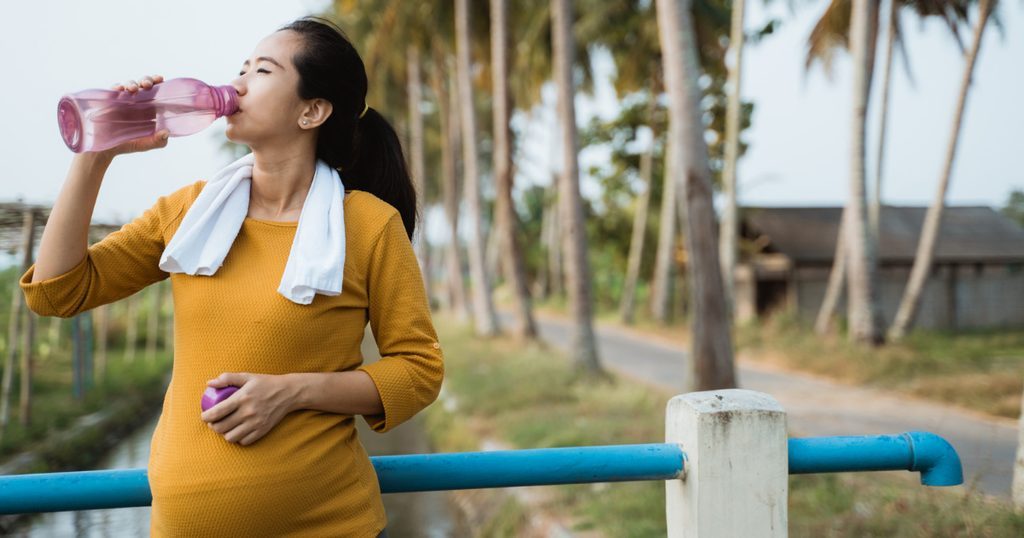
Pregnancy can make you more sensitive to heat, so plan your workouts around Singapore’s hot and humid weather³.
Staying Hydrated and Avoiding Peak Heat
Heat can make exercise feel harder and increase the risk of dizziness or dehydration. To lower this risk:
- Drink water before, during and after exercise
- Exercise early in the morning or later in the evening
- Avoid the hottest part of the day and direct sun
- Wear loose clothing
- Keep sessions shorter if you feel hot, thirsty or tired
Choosing Indoor Workouts When Necessary
On very hot or humid days, indoor exercise can help you stay active without overheating. Safe workouts for expectant mothers that work well indoors include stationary cycling, indoor walking or light resistance band exercises. Just keep in mind that a heated room can raise your body temperature, so even usually safe activities are best done somewhere cool².
Exercising During Haze: Check the PSI First
During haze periods, check the National Environment Agency’s Pollutant Standards Index (PSI) before exercising outdoors. If air quality is poor, move your workout indoors or choose gentler activities. If you have asthma, allergies, or breathing problems, be especially cautious and follow your doctor’s advice.
When Should You Stop Exercising During Pregnancy? Warning Signs
Exercise during pregnancy should feel comfortable, not painful or overwhelming. Stop exercising if you notice:²,⁵
- Bleeding or leaking fluid from the vagina
- Regular or painful contractions
- Chest pain
- Severe or persistent breathlessness, especially before exercise or at rest
- Dizziness, fainting, or feeling faint that does not settle with rest
- Muscle weakness that affects your balance
- Calf pain or swelling
- A severe or persistent headache
- Reduced foetal movement
These symptoms should not be ignored. If they are severe or do not improve with rest, seek urgent medical care.
Decisions to Make Before Your Third Trimester
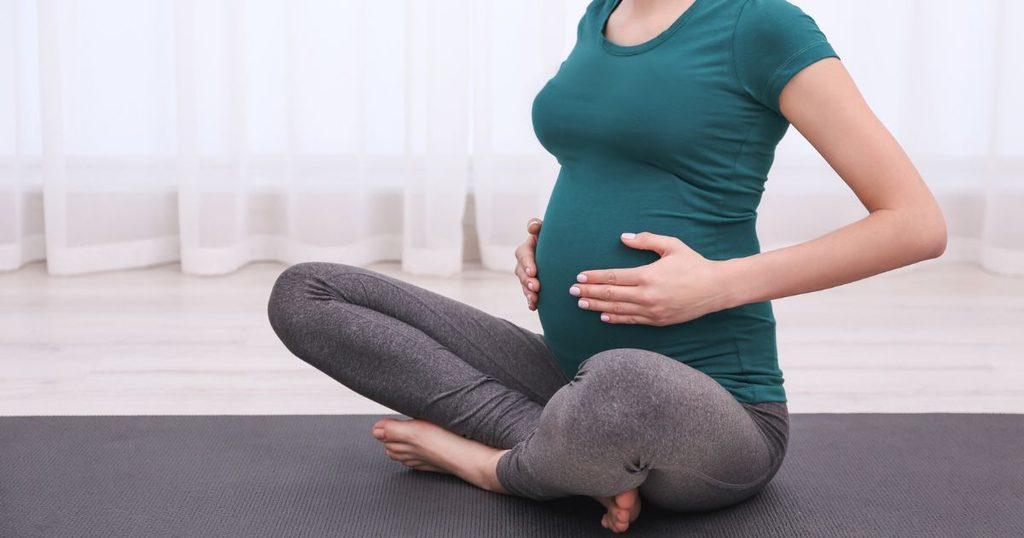
Your antenatal check-ups are a good time to review your exercise plan, ideally before your third trimester, when your bump, balance and energy levels change the most. Alongside the questions to ask before giving birth, consider raising these with your doctor:
- Whether your current exercise routine is safe for your pregnancy
- Whether you need to change the type, intensity or duration of exercise
- Which strength and pelvic floor exercises are suitable for you
- Which exercises to avoid during pregnancy apply to you
- Warning signs specific to your pregnancy
The best exercise routine is one you can do safely and consistently. Choose activities you enjoy, listen to your body, and adjust as your pregnancy progresses.
Exercise is only one part of preparing for birth. Before the third trimester, many parents also begin choosing their obstetrician, discussing their birth plan and preparing for their baby’s arrival. Another consideration is whether to store their baby’s cord blood.
Cord blood is the blood found in the baby’s umbilical cord, it is a rich source of Haematopoietic Stem Cells (HSCs). These stem cells make up the building blocks in our blood and immune system throughout our life. Cord blood banking is an invaluable opportunity for parents to secure their child’s future health.
With medical advancements continuously evolving, the potential applications of stem cells are expanding, making cord blood banking a crucial consideration for new parents. Parents who are interested can find out about their options early, so they have time to make an informed decision before delivery, with providers such as StemCord.
Frequently Asked Questions
Is it safe to exercise during pregnancy?
For most women with a healthy pregnancy, yes. Regular exercise is safe and can support both you and your baby, helping you more energised and prepared for birth. If you have a medical condition or pregnancy complication, check with your doctor before starting or continuing.
How much exercise do I need each week when I pregnant?
Singapore’s guidelines recommend at least 150 minutes of moderate-intensity aerobic activity a week for women without contraindications. That could be 30 minutes of brisk walking, 5 days a week, or shorter sessions if you tire easily.
What are the main exercises to avoid during pregnancy?
Avoid contact sports, activities with a high risk of falling (such as gymnastics, skiing, horse riding and outdoor cycling), scuba diving, skydiving, and hot yoga or hot Pilates. After the fourth month, also avoid exercises that involve lying flat on your back. Heavy lifting with breath-holding and repeated full sit-ups are best avoided too.
Can I exercise during pregnancy in the first trimester if I wasn’t active before?
Yes, in most cases. If you are new to exercise, start slowly with walking, stretching, or light strength work, beginning with 10 to 15 minutes, 3 times a week, then increasing gradually. Keep cool, stay hydrated, and check with your doctor first if you have any complications.
References
1 HealthXchange Singapore
How to Exercise Safely During Pregnancy
View on Publisher
2 Perinatal Society of Singapore
Guidelines on Physical Activity & Exercise in Pregnancy
View on Publisher
3 Health Promotion Board, Singapore
Singapore Physical Activity Guidelines for Pregnant & Postpartum Women
View on Publisher
 See more blogs