Healthy Pregnancy:
Healthy Pregnancy: Trimester-by-Trimester Guide for Expecting Parents in Singapore
A healthy pregnancy is about more than physical wellbeing, it's about informed, confident decisions and consistent pregnancy care that support both mother and baby through every one of the pregnancy weeks ahead.
Understanding Pregnancy Stages
The full pregnancy period spans around 40 weeks, divided into three trimesters. Knowing what to expect during specific weeks helps parents prepare proactively.
First Trimester (Weeks 1–12)
The first trimester marks the foundation of pregnancy, when major organs begin to form. Many pregnant women experience fatigue, nausea, and hormonal changes during these early pregnancy weeks.
Key focus areas:
- Early antenatal visits and screening
- Managing morning sickness and energy levels
- Establishing balanced nutrition and hydration
Second Trimester (Weeks 13–26)
Often considered the most stable phase, the second trimester is when energy levels may improve and physical changes become more noticeable. This period is commonly associated with increased comfort and confidence.
Key focus areas:
- Maintaining gentle physical activity
- Supporting posture, mobility, and circulation
- Monitoring healthy weight gain
Third Trimester (Weeks 27–40)
The final trimester focuses on preparing for delivery and the fourth trimester that follows a vital period when your body continues to recover after birth. As your baby grows, physical demands increase, making rest and support especially important.
Key focus areas:
- Managing sleep and physical discomfort
- Birth preparation and planning
- Emotional and mental readiness for parenthood
Antenatal Test & Scan Timeline
Your gynecologist will schedule these tests at the appropriate points in your pregnancy care plan. Exact timing can vary, so always confirm dates at your appointments.
weeks 8–10
Dating Scan:
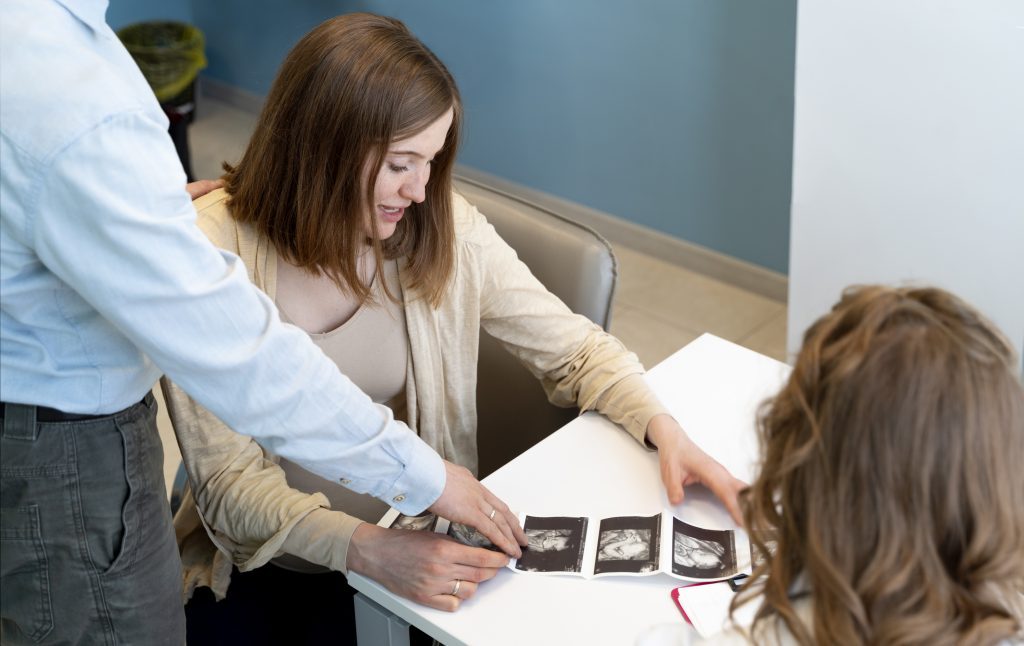
Confirms your due date and how far along you are. Usually your first scan with your gynecologist.
weeks 11–13
NT scan & Down Syndrome Screening:
Measures nuchal translucency alongside a blood test. Your gynecologist will walk you through what the results mean.
week 20
Anomaly Scan:
A detailed scan checking your baby's organs and development, performed by your gynecologist or a sonographer.
weeks 24–28
OGTT (Glucose Tolerance Test):
Screens for gestational diabetes. Your gynecologist will advise on preparation beforehand.
weeks 35–37
GBS Swab:
Checks for Group B Streptococcus ahead of delivery, usually done at a routine visit with your gynecologist.
Common Pregnancy Discomforts and How to Manage Them
Every pregnancy comes with its share of aches and changes. Most of these discomforts are a normal part of the pregnancy weeks ahead and tend to ease with a few simple adjustments.

Common as pregnancy progresses, especially in the third trimester as the growing baby puts pressure on the stomach. Smaller meals and staying upright after eating can help.

As your body adjusts to the extra weight and shifting posture, back pain is common later in pregnancy. Gentle stretching and supportive footwear can ease the strain.

Mild swelling is common, especially by the third trimester. Putting your feet up when you can and staying hydrated both help.

Common in the first trimester as your body adjusts, and again in the third as it prepares for labour. Rest when you can, and don't hesitate to ask for support.

These discomforts are a normal part of pregnancy care but always mention anything unusually severe or persistent to your gynecologist, just for peace of mind.
Essential Pregnancy Care Considerations
Consistent pregnancy care plays a vital role in supporting a healthy pregnancy. While individual needs vary, common care principles include:

A well-balanced diet to support maternal health and foetal development

Safe, low-impact activity to support circulation and comfort

Adequate sleep and recovery throughout pregnancy

Regular check-ups to track progress across pregnancy weeks

Pregnant women should always follow medical advice tailored to their individual health needs.
Exercise & Movement Guide
Staying active is generally safe for pregnant women, but what's suitable can shift as the pregnancy weeks go by. Always check with your gynecologist before starting something new.
- Walking: low-impact, easy to sustain through most of pregnancy
- Prenatal yoga: supports flexibility and relaxation
- Swimming: gentle on the joints while staying active
- Contact sports: risk of impact to the abdomen
- Lying flat on your back for long periods: best avoided in the third trimester
What to Avoid: Ensuring Safety for Two
While your body is incredibly resilient, certain foods and lifestyle habits can pose risks to your developing baby. Practicing "safety-first" pregnancy care helps prevent infections like Listeria and Salmonella, which pregnant women are more susceptible to.
High-Risk Foods & Drinks
Singapore is a food paradise, but some local favorites should be temporarily off the menu:
- Raw or Undercooked Proteins: Avoid sashimi, sushi with raw fish, medium-rare steaks, and cockles (see-hum). Raw freshwater fish is strictly prohibited by the SFA due to Group B Streptococcus (GBS) risks.
- Unpasteurized Dairy: Skip soft cheeses like Brie, Camembert, and Feta unless they are clearly labeled "pasteurized."
- Raw/Soft-Boiled Eggs: Avoid "half-boiled" eggs often served at local kopitiams, as well as homemade mayonnaise or tiramisu, to prevent Salmonella.
- High-Mercury Fish: Limit intake of large predatory fish such as swordfish, shark, and King Mackerel (Batang), as mercury can affect your baby’s nervous system.
- Unwashed Salads & Fresh Juices: Pre-packed salads or raw sprouts can carry soil-borne bacteria. Opt for freshly cooked vegetables and pasteurized juices instead of "fresh-pressed" versions at food courts.
Habits to Reconsider
Managing your daily routine is key during all pregnancy trimesters:
- Excessive Caffeine: Limit your intake to 200mg per day (about two cups of regular coffee or tea). Be mindful of Kopi or Teh, which can be stronger than standard brews.
- Smoking & Alcohol: There is no "safe" limit for either. Alcohol passes directly through the umbilical cord, and smoking increases the risk of premature birth.
- Extreme Heat: Avoid saunas, steam rooms, and hot tubs, as high core body temperatures can be dangerous during the early pregnancy weeks.
- Heavy Lifting & High-Impact Sports: Avoid contact sports or activities with a high risk of falling. As you progress through the pregnancy trimesters, your center of gravity shifts, making balance more difficult.
- Inadequate Sleep: Local Singaporean studies have linked sleeping less than six hours a night to a higher risk of gestational diabetes. Aim for 7–8 hours of quality rest.
Related Pregnancy Resources
Browse more articles by stage of pregnancy or explore everything we've written on healthy pregnancy in Singapore.
Preparing Your Hospital Bag: A Singapore Checklist
Packing ahead of time takes one less thing off your mind as delivery approaches. Most parents pack sometime in the third trimester, whether delivering at a public or private hospital in Singapore.
- IC and hospital registration documents
- Nursing-friendly nightwear and a robe
- Maternity pads and nursing bras, toiletries and a phone charger
- A comfortable and loose outfit for going home.
- A going-home outfit and a swaddle or blanket
- A rear-facing car seat if you're heading home by car
- IC for both you and your partner,
- Hospital registration or admission letter
- Insurance or Medisave-related documents if applicable
Amenities can vary quite a bit by hospital and ward class, so it’s worth checking with your chosen hospital ahead of time to see what’s already covered.
Mental Health & Emotional Wellbeing
Emotional ups and downs are a normal part of pregnancy care, but it helps to know the difference between what usually passes on its own and what needs professional support.
- Occasional Worry: Common around big changes, like a new trimester or nearing delivery
- Baby Blues:Mood swings and tearfulness in the first one to two weeks after birth, usually resolves on its own
- Postpartum Depression:Persistent low mood, exhaustion, or trouble bonding lasting beyond two to three weeks
- Support is available through KKH's Postnatal Depression Intervention Programme or NUH's Women's Emotional Health Service
- If you're having thoughts of harming yourself or your baby, seek help immediately. Call the National Mindline at 1771, WhatsApp +65 6669 1771, or visit mindline.sg for webchat. You can also go to the nearest A&E.
The Vital Role of the Partner
A healthy pregnancy is truly a team effort. Partners play a crucial role in providing emotional and physical support that directly impacts the mother’s well-being. This involves:

Attending prenatal checkups and scans to stay informed about the baby’s development.

Adopting healthy habits together, such as limiting caffeine intake and staying hydrated.

Managing household responsibilities to allow the mother more time for rest, especially as the pregnancy progresses and physical discomfort increases.

Taking the lead in researching long-term health safeguards. This is the ideal time for partners to look into the benefits of cord blood banking, ensuring the family is prepared for the future from day one.
Hospital & Delivery Options for Pregnancy in Singapore
Choosing where to deliver is a key part of planning for a healthy pregnancy in Singapore. It usually comes down to two categories, each with a different experience, level of privacy, and cost range.
Private rooms, a dedicated gynecologist , more flexibility in birth planning
- KK Women's and Children's Hospital (KKH)
- National University Hospital (NUH)
Subsidised rates, shared wards, high delivery volume
- Gleneagles Hospital
- Mount Elizabeth (Orchard & Novena)
- Thomson Medical
- Ward types and packages vary by hospital. Check MOH's bills and fee benchmarks to compare current estimates before deciding
Many parents sort out cord blood banking at the same time as choosing a hospital and gynaecologist. It has to be arranged before delivery, so this is a natural time to register.
Protecting Your Baby’s Future
A healthy pregnancy ends with a safe delivery, but your care for your child lasts a lifetime. As you progress through your pregnancy trimesters, many parents in Singapore consider the "biological insurance" provided by cord blood banking.
The stem cells found in your baby’s umbilical cord are a rich source of life-saving potential, clinically proven to treat over 80 diseases1. Choosing to store these cells at birth is a one-time opportunity that aligns perfectly with a proactive approach to pregnancy care.
Related Pregnancy Article
Frequently Asked Questions
Most obstetricians recommend your first visit between 6 and 8 pregnancy weeks to confirm the pregnancy and estimate your due date.
Folic acid, Iron, Calcium, and DHA are commonly prescribed to support both the mother and baby, especially during the later pregnancy trimesters.
During the early pregnancy weeks, pregnant women should focus on attending antenatal appointments, managing fatigue or nausea, maintaining hydration, and establishing healthy nutrition habits. Early pregnancy care sets the foundation for long-term maternal and foetal health.
Consistent pregnancy care supports early detection of potential concerns, tracks development across pregnancy weeks, and helps pregnant women adapt to physical and emotional changes. Ongoing care plays a key role in supporting a healthy pregnancy journey.
For most pregnant women, travel is safe until around week 36. According to Singapore Airlines' policy for expectant mothers, a medical certificate is required for flights between 29 and 36 weeks, and travel isn't permitted beyond that. Always consult your doctor before booking a flight, especially for long-haul trips.
Many parents begin planning during the second or third pregnancy trimesters. This may include preparing for delivery, postnatal recovery, and long-term child health considerations. Early planning helps families feel more confident and prepared as pregnancy progresses.
Pregnant women should seek immediate medical attention for symptoms like heavy bleeding, severe headaches with swelling, reduced fetal movement, or fluid leaking before labour. If any of these occur, contact your gynecologist or head to the nearest A&E right away rather than waiting for a scheduled appointment.
Key tests are spread across the pregnancy period, from an early dating scan and NT scan in the first trimester, to an anomaly scan around 20 pregnancy weeks, and a glucose tolerance test between weeks 24 and 28. Your gynecologist will schedule these at the appropriate points, referencing guidance from the Obstetrical and Gynaecological Society of Singapore (OGSS).
Low-impact activities like walking, prenatal yoga, and swimming are generally considered safe for pregnant women through most of the pregnancy period, and HealthHub's exercise guidance for pregnant women notes that women who exercised before pregnancy can usually continue safely. Contact sports and lying flat on your back for long periods in the third trimester are usually best avoided. Always check with your gynecologist before starting a new routine.
Singapore's Ministry of Health recommends the influenza vaccine and the Tdap vaccine for pregnant women, in line with the National Adult Immunisation Schedule, usually given during the third trimester to help protect the baby in the first months after birth. Speak with your gynecologist in Singapore about the right timing for you.
Some worry is common throughout the pregnancy period, especially around big changes like a new trimester or the approaching delivery. After birth, many parents also experience the "baby blues" for a few days, but symptoms that last longer or feel more intense could be signs of postpartum depression. This is worth raising with your doctor rather than waiting it out, since extra pregnancy care support can make a real difference. If you're having thoughts of harming yourself or your baby, seek help immediately. Call the National Mindline at 1771, WhatsApp +65 6669 1771, or visit mindline.sg for webchat. You can also go to the nearest A&E.
Some herbs commonly used in Traditional Chinese Medicine are not recommended during pregnancy, while others may only be suitable after birth. Always check with both your gynecologist and a registered TCM practitioner before taking any herbal remedies during your pregnancy.
Public hospitals like KKH and NUH offer subsidised rates, while private hospitals like Gleneagles and Mount Elizabeth offer more flexibility in birth planning and a dedicated gynecologist in Singapore. Check MOH's bills and fee benchmarks for current estimates before deciding.